Understanding Casual Gambling
Casual gambling typically refers to the occasional participation in games of chance, where individuals enjoy the experience without the intent to win significant money. It can manifest in various forms, such as playing the lottery, betting on sports, or engaging in games at social gatherings. For those looking to explore their options, casino online nz can provide a range of experiences that enhance the thrill. While many people indulge in casual gambling without issues, it’s essential to recognize the potential risks involved, especially for those predisposed to addictive behaviors. Casual gambling may seem harmless, but it often blurs the line between fun and fixation.
The nature of casual gambling can create a false sense of security; individuals may believe that since they only gamble infrequently, they are immune to potential addiction. However, the brain’s reward system can be triggered even with sporadic gambling experiences. The thrill that comes from winning or simply participating can lead to an increased desire for that stimulation, prompting more frequent involvement over time. This escalation may not happen overnight, but it can be insidious, creeping into one’s life and altering priorities.
This progression can be subtle and often goes unnoticed. Many casual gamblers might find themselves gradually increasing the frequency and amount of their bets. Understanding how harmless activities can transform into problematic ones is crucial for anyone who engages in gambling, no matter how infrequently it occurs. Awareness of gambling triggers and establishing personal limits is vital in maintaining a healthy relationship with gambling. By recognizing these aspects, individuals can enjoy the entertainment value without falling into the trap of addiction.
The Psychology of Gambling Addiction
Gambling addiction, known clinically as compulsive gambling or gambling disorder, is a behavioral addiction characterized by the recurrent urge to gamble despite harmful consequences. The psychological mechanics behind this addiction are complex and often involve an interplay of various factors, including genetics, brain chemistry, and environmental influences. Many individuals who develop gambling problems may have underlying mental health issues, such as anxiety or depression, which make them more susceptible to addiction. This multifaceted nature means that it’s not just about the act of gambling but also the individual’s psychological state.
The excitement associated with gambling activates the brain’s reward pathways, releasing dopamine, the same neurotransmitter involved in the pleasure derived from food, sex, and other addictive behaviors. This may explain why some casual gamblers find it difficult to quit or reduce their gambling once they start. The initial excitement can lead to a cycle of increased gambling behavior as individuals chase the highs associated with wins or the thrill of taking risks. Over time, this chase can overshadow any logical reasoning, leading to destructive behaviors.
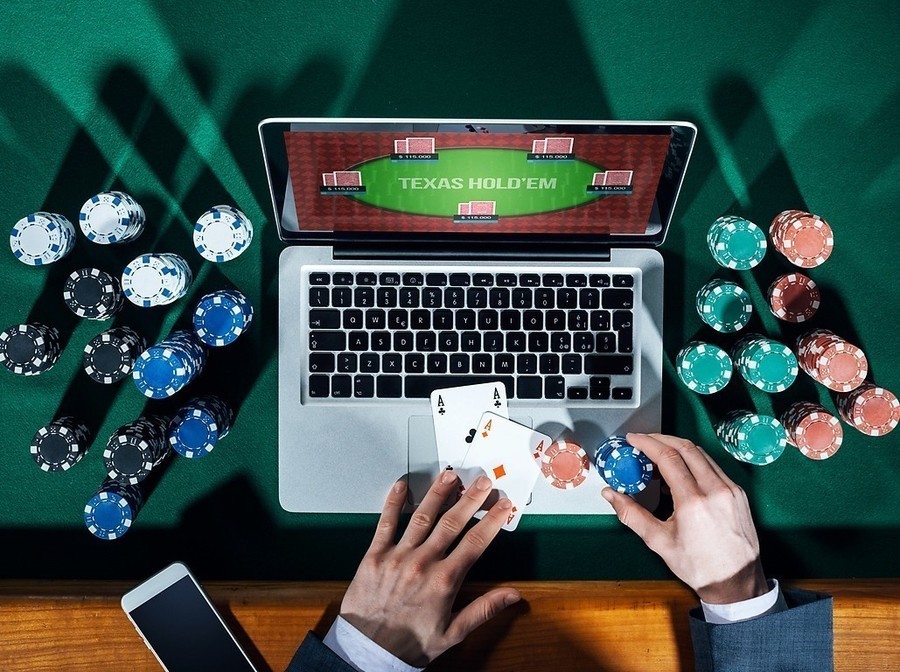
Moreover, social and environmental factors play a significant role in gambling addiction. Social acceptance of gambling in certain circles can normalize the behavior, reinforcing the notion that casual gambling is entirely harmless. Peer pressure or the desire to fit in can further encourage individuals to gamble more frequently than they initially intended. This social aspect creates a culture where gambling is seen as a rite of passage or a common pastime, distorting one’s perception of casual gambling and leading to deeper engagement than originally planned.
Recognizing the Signs of Gambling Addiction
Recognizing the signs of gambling addiction can be crucial for early intervention. Individuals may start to notice that their gambling is affecting their personal relationships, work performance, or financial situation negatively. Telltale signs include lying about gambling habits, feeling restless or irritable when trying to cut back, or using gambling as an escape from stress or anxiety. These behaviors are red flags indicating that what once began as casual gambling may be evolving into something more serious and detrimental to one’s life.
Furthermore, many people who develop gambling problems often experience a sense of denial regarding the severity of their situation. They might minimize their gambling or convince themselves that they are still in control, even when faced with mounting evidence to the contrary. This denial can lead to rationalizing behaviors that contribute to continued gambling, such as believing they can win back lost money or that they are just one big win away from turning things around. Overcoming this denial is a significant step toward recovery.
It’s essential for individuals who find themselves in such a situation to seek help and evaluate their gambling habits critically. Support systems such as counseling, therapy, or support groups can provide necessary guidance and strategies for managing gambling behavior before it escalates beyond control. Early recognition of gambling’s impact on one’s life can lead to healthier choices and improved overall well-being. Having open discussions about gambling can break the stigma and encourage individuals to seek help.
The Risks of Casual Gambling
The transition from casual gambling to addiction is often marked by an increasing disregard for risks and potential consequences. Casual gamblers may initially view their activities as harmless entertainment, but the lure of winning can quickly overshadow rational decision-making. As gambling becomes more integrated into their lifestyle, individuals may begin to take larger risks, leading to financial losses and personal issues affecting their day-to-day lives. The excitement of winning can create an illusion that the next win is just around the corner, which can be dangerously misleading.

Additionally, casual gambling can create a cycle where individuals continuously chase losses in an attempt to regain control over their finances. This behavior can spiral into a significant financial burden, affecting not just the gambler but also their families and loved ones. The stress of being in debt from gambling can lead to emotional turmoil, damaging relationships and causing severe anxiety and guilt. The impact of these financial strains can extend beyond the individual, creating a ripple effect that affects their entire support system.
Moreover, the impact of casual gambling extends beyond financial strain. Individuals may experience a range of emotional and psychological issues, including depression, isolation, and decreased self-esteem. These effects are often exacerbated by the stigma surrounding gambling addiction, which can deter individuals from seeking help. Understanding these risks can empower individuals to approach gambling more mindfully and recognize when it may be time to step back. By educating oneself on the potential dangers, individuals can make more informed choices about their gambling habits.
Support and Resources for Gambling Issues
For those who find themselves struggling with their gambling habits, numerous resources and support systems are available. Organizations dedicated to helping compulsive gamblers provide information on identifying addiction and accessing treatment options. Programs like Gamblers Anonymous offer support through group meetings, where individuals can share their experiences and strategies for recovery. Such communal support is vital for those who feel isolated in their struggles and can foster a sense of belonging.
Moreover, many therapists and counselors specialize in addiction, capable of offering tailored approaches to help individuals understand their behaviors and develop healthier coping mechanisms. Support from family and friends is also critical in the recovery journey, as having a strong support system can significantly influence an individual’s ability to overcome addiction. Active involvement from loved ones can create a nurturing environment where individuals feel safe to express their concerns and seek help.
Taking proactive steps towards addressing gambling behavior can be life-changing. Individuals are encouraged to seek help as soon as they notice signs of distress related to their gambling. Recovery is possible, and resources designed to provide assistance are readily available for those who need them. With the right support, individuals can reclaim control over their lives and develop a healthier relationship with gambling. Recognizing the need for help is the first step towards a more balanced and fulfilling life.
